Hair Science ✦
Trusted knowledge for healthier hair.
Evidence-aware guides informed by dermatology research, cosmetic science and professional hair-care knowledge — so you can make more informed choices for your hair.
Explore Hair Science topics
All Guides
The complete Hair Science library, newest topics first within each area.
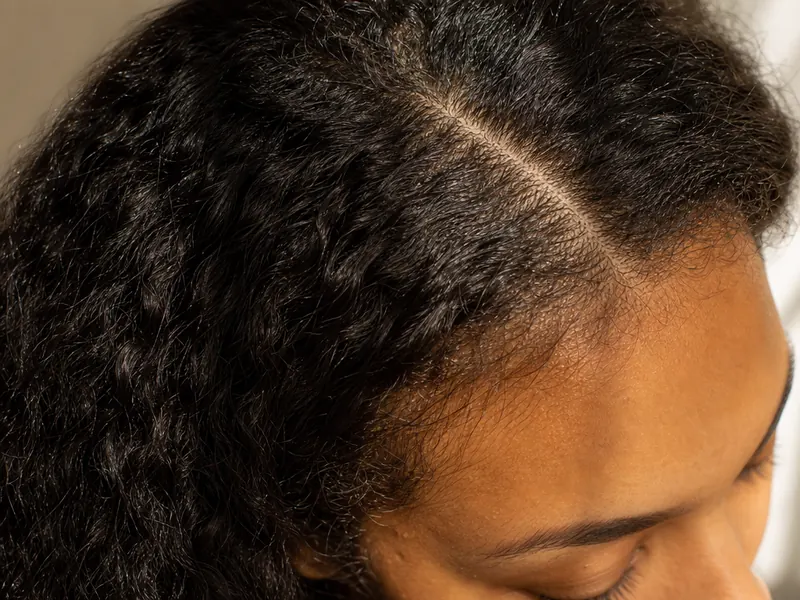
Hair Growth 101
How hair is made, the phases every follicle moves through, and why shedding and breakage are not the same thing.
Well established
Understanding Your Hair Pattern
Pattern describes the shape your hair takes. It is a useful description, not a complete profile of how your hair behaves.
Supported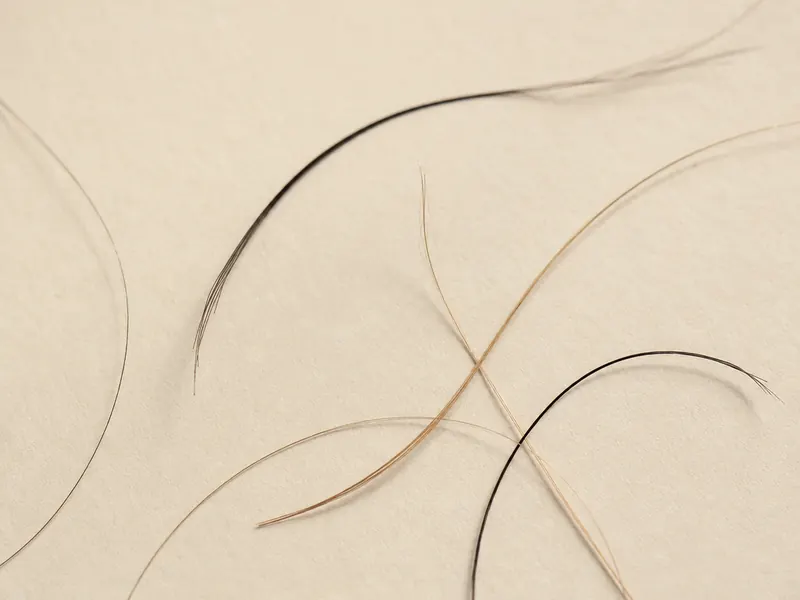
Fine, Medium & Coarse Strands
Strand thickness is the width of a single fibre. It is not the same as how much hair you have.
Well established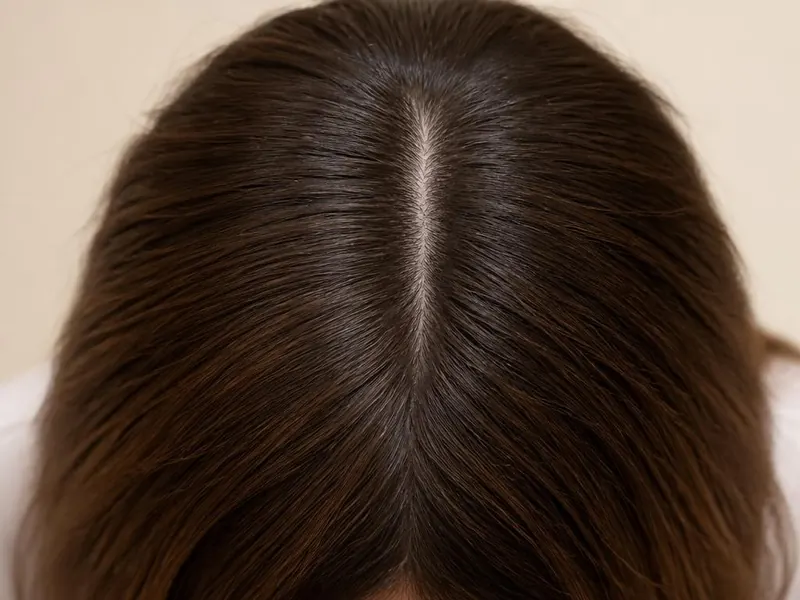
Hair Density Explained
Density counts fibres per area of scalp. It shapes volume and product quantity — not fibre behaviour.
Well established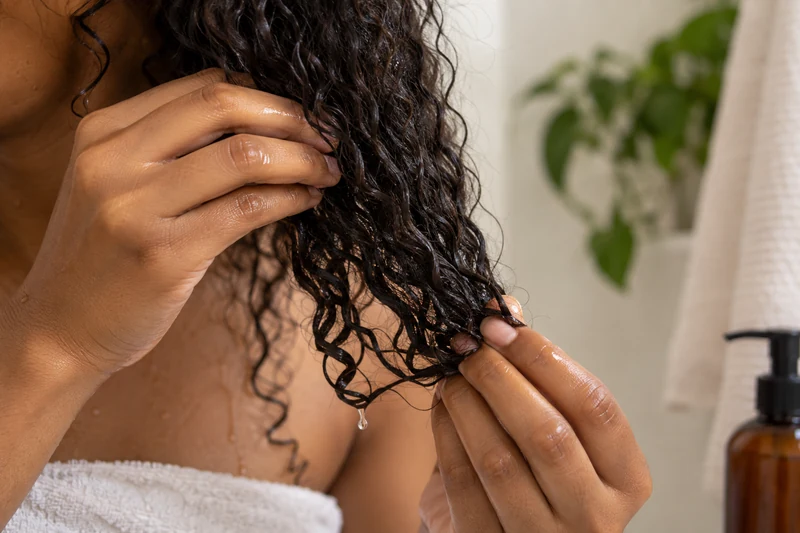
Porosity Without the Myths
Porosity describes how the fibre surface interacts with water and product. It is useful context — and it is not diagnosed by floating a hair in a glass.
Supported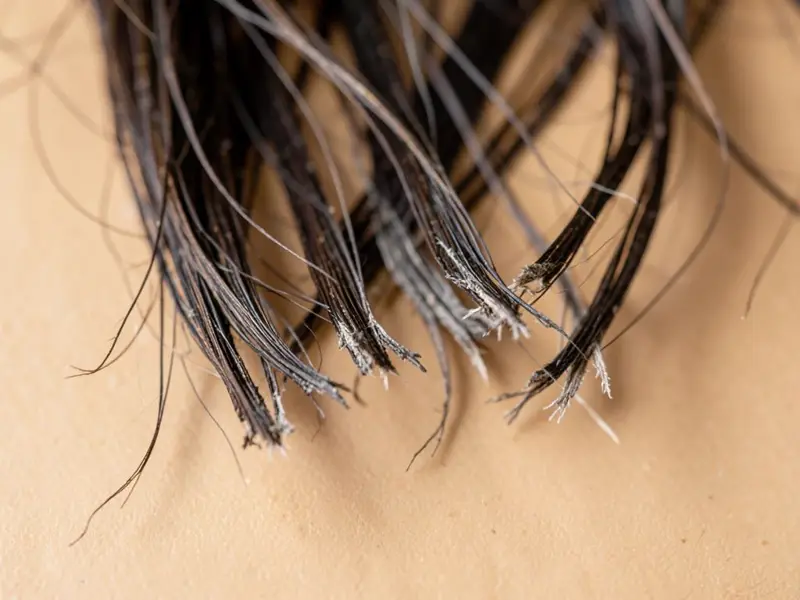
Hair Damage 101
The three damage routes, how weathering accumulates, and the honest difference between cosmetic management and biological repair.
Well established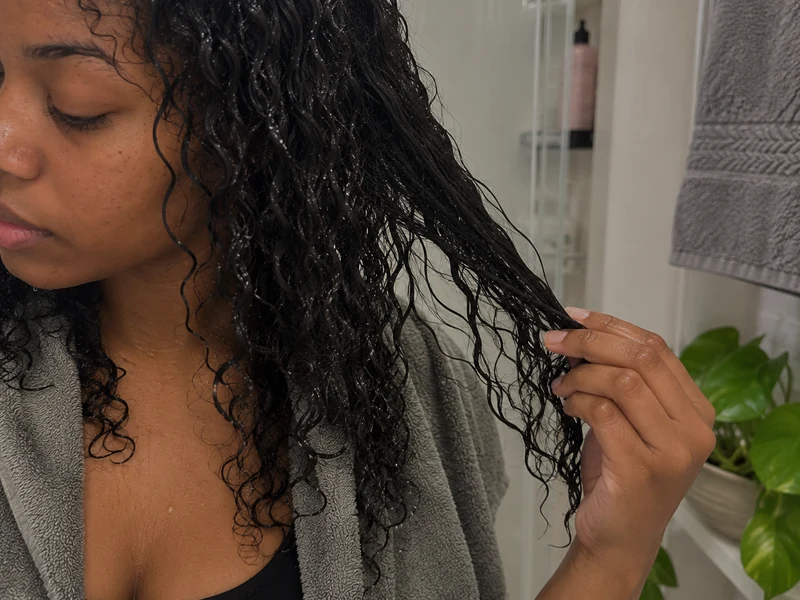
Wet Hair & Breakage
Wet hair behaves differently from dry hair. That does not translate into one instruction for everyone.
Supported
What Actually Supports Healthy Hair Growth?
Follicular growth, excessive shedding, breakage and length retention have different causes and different answers.
Well established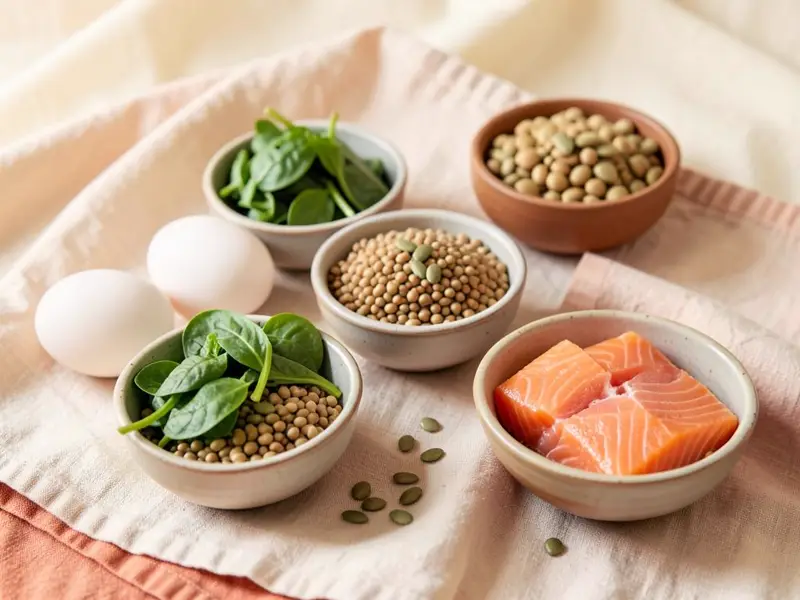
Vitamins & Nutrients for Healthy Hair
An evidence-aware look at protein, iron, zinc, vitamin D, biotin and B12/folate — including why more is not better.
Supported
Foods That Support Healthy Hair Growth
Practical food groups behind normal hair biology — without pretending any single food grows hair.
Supported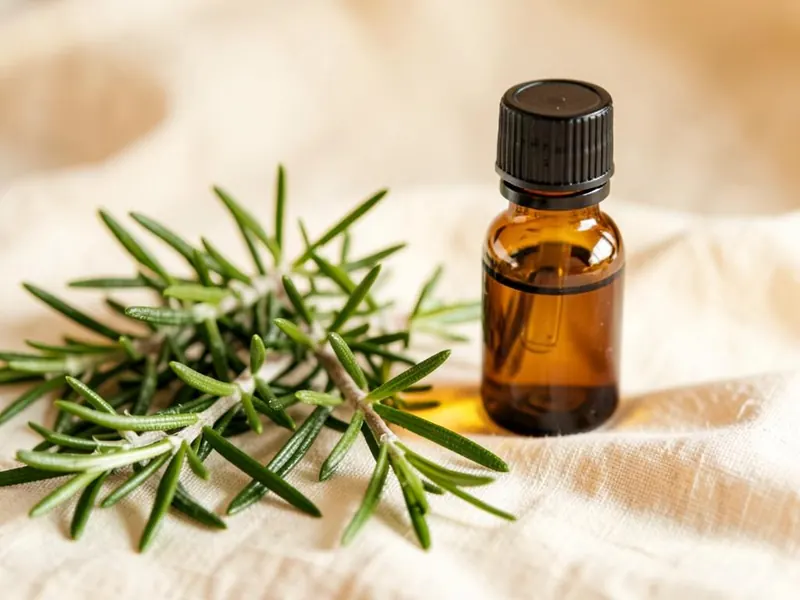
Does Rosemary Help Hair Growth?
Rosemary is one of the most-shared hair remedies online. The published human evidence is far narrower than the conversation around it.
Emerging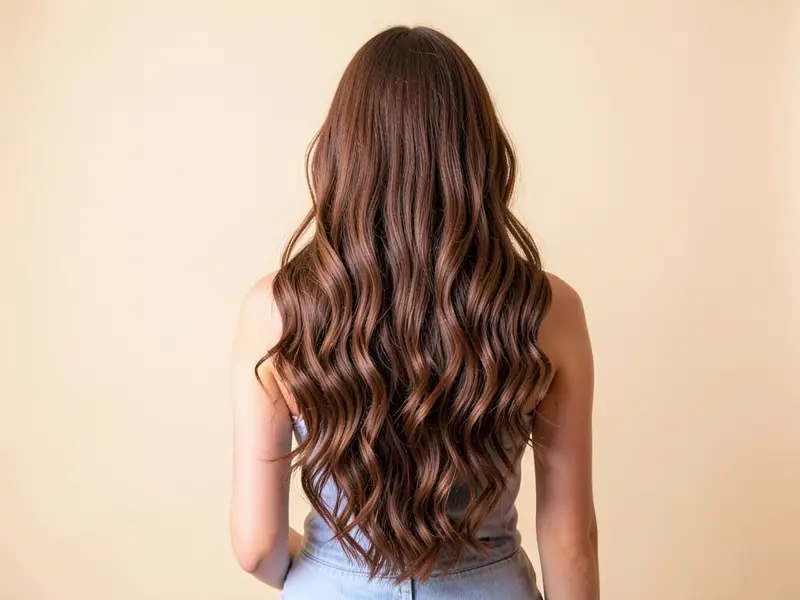
Growth vs Length Retention
If length has plateaued, retention is usually the variable you can actually move.
Well established
Do Protective Styles Make Hair Grow?
Protective styles don't change follicular growth rate. What they can change is how much you handle your hair, for better or worse.
Supported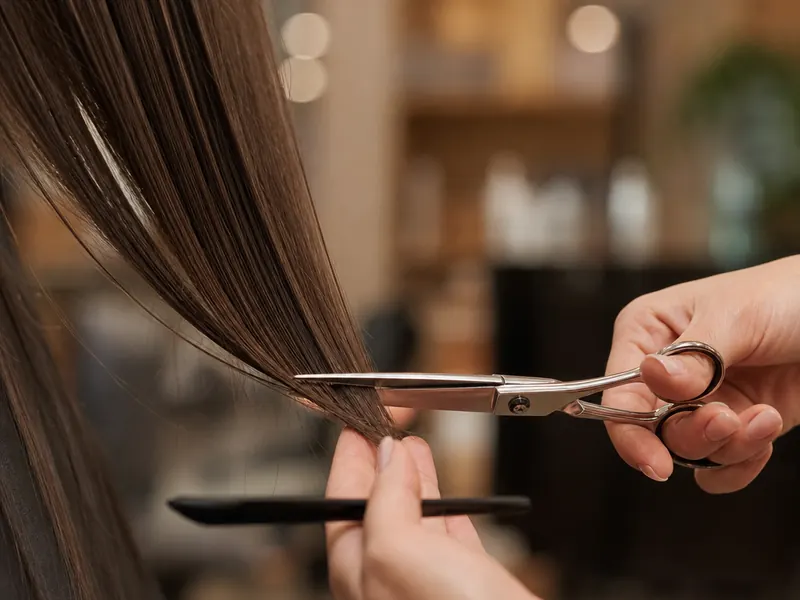
Does Trimming Make Hair Grow Faster?
Cutting the ends cannot change what the follicle does. It can change how much length you keep.
Well established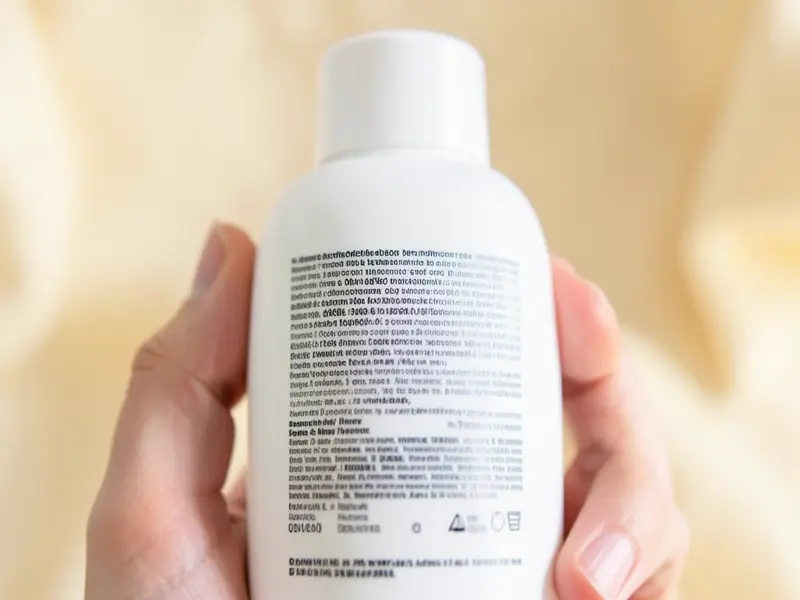
How to Read an Ingredient List
Ingredient lists are a genuinely useful window into a formula — and they are not the recipe.
Well established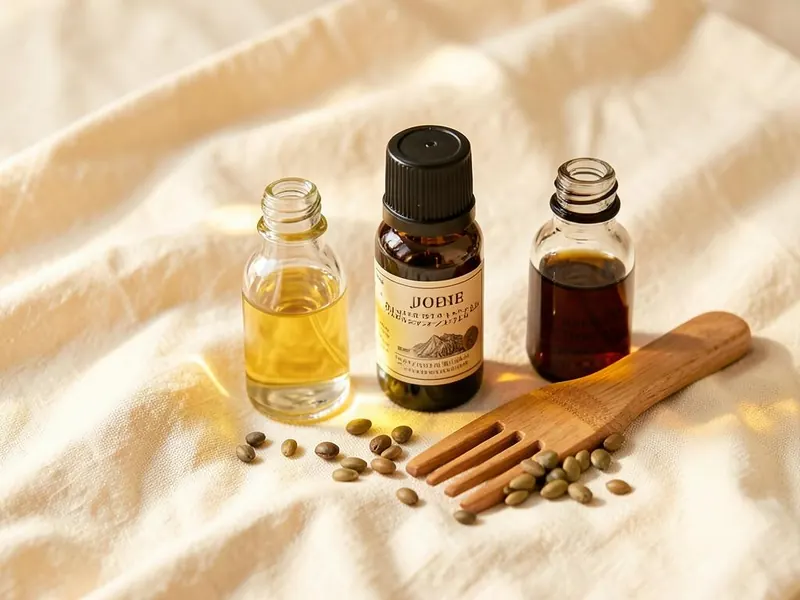
Oils for Your Hair Type
A practical starting-point guide that keeps strand thickness and porosity as two separate questions, because they are.
Supported
Silicones: Good, Bad, or Neither?
Silicones are a broad family of ingredients used for slip and smoothness. Whether they suit you depends on formula, routine and results.
Supported
Sulfates & Cleansing
Cleansing is a spectrum of surfactant strength. The label on the front tells you less than the system inside.
Supported
Proteins & Hair
Protein ingredients can genuinely improve how a damaged fibre behaves — temporarily, and on the surface.
Supported
Humectants
Humectants attract and hold water. What that means for you depends on the whole formula and how you use it.
Supported
Oils & Butters
A reference for common oils and butters, keeping cosmetic conditioning strictly separate from growth claims.
Supported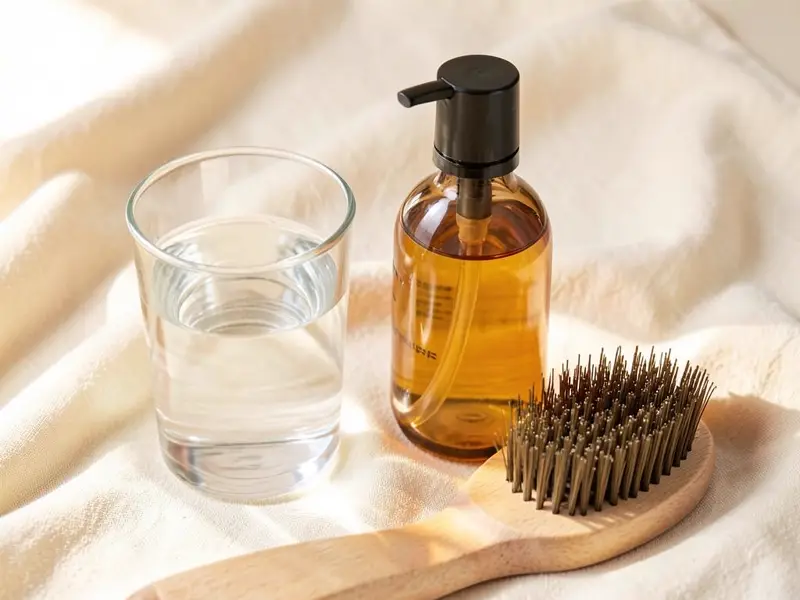
Clarifying & Buildup
Buildup is an accumulation, not an ingredient. It's the balance between what you deposit and what you remove.
Supported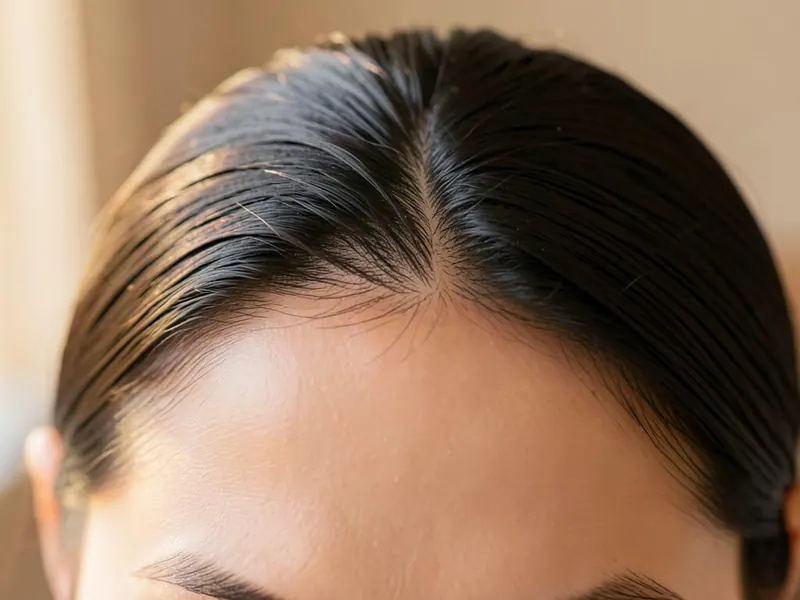
Healthy Scalp Basics
The scalp is skin. General skin principles apply — and symptoms are described here, never diagnosed.
Well established
Dry Scalp vs Dandruff
General education on how these are usually described — not a way to identify what you have.
Supported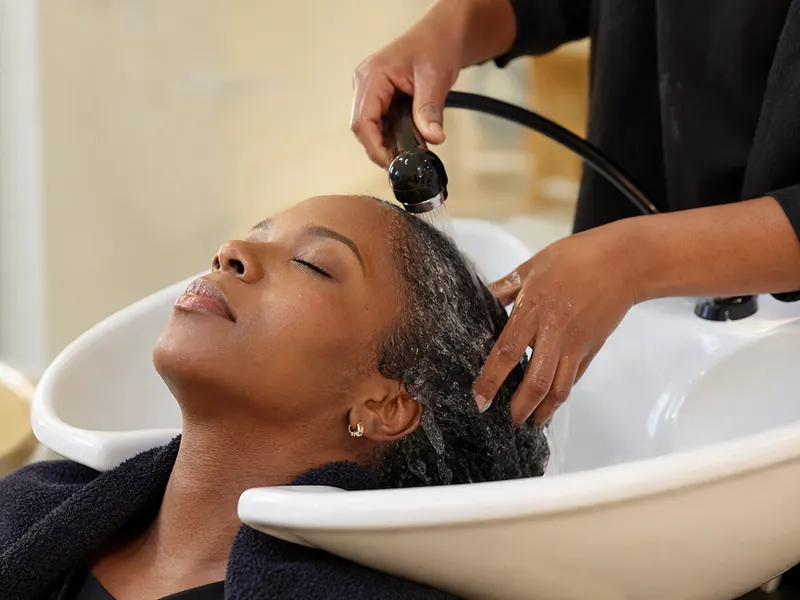
How Often Should You Wash Your Hair?
Wash frequency follows scalp behaviour, product use and lifestyle — a set of variables, not a rule.
Supported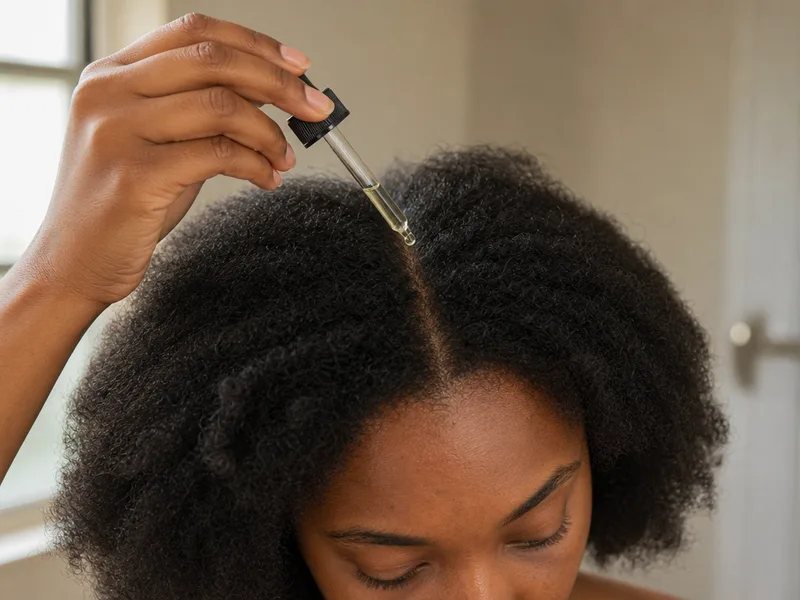
Scalp Oils: Helpful or Overhyped?
Scalp oiling is a long-standing practice with real comfort benefits and limited evidence for growth claims.
Limited evidence
Scalp Massage & Hair Growth
The research on massage and hair growth is small and preliminary. That doesn't make it worthless — it makes it emerging.
Limited evidence
When Hair Loss Isn't a Hair-Care Problem
Some hair changes are outside what any cosmetic product can address. Recognising that early matters.
Well established
Myth: Trimming Makes Hair Grow Faster
Trimming can't change growth rate — but it can change how much length you keep.
Not supported
Myth: Biotin Grows Everyone's Hair
Biotin deficiency can affect hair. Correcting a deficiency you don't have is a different proposition.
Not supported
Myth: Protective Styles Always Protect
A style is protective when it reduces manipulation without adding tension. Both halves matter.
Not supported
Myth: Silicones Are Bad for All Hair
Silicones vary widely, and the buildup question is about your routine as much as the ingredient.
Not supported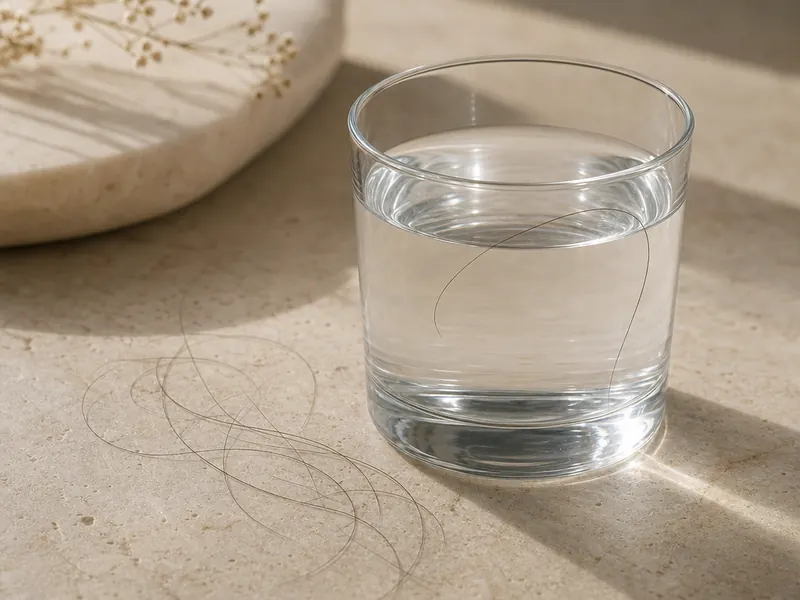
Myth: The Float Test Measures Porosity
The float test is confounded by too many variables to tell you anything reliable.
Not supported
Myth: Natural Ingredients Are Always Safer
Plant-derived doesn't mean gentle, and synthetic doesn't mean harsh.
Not supported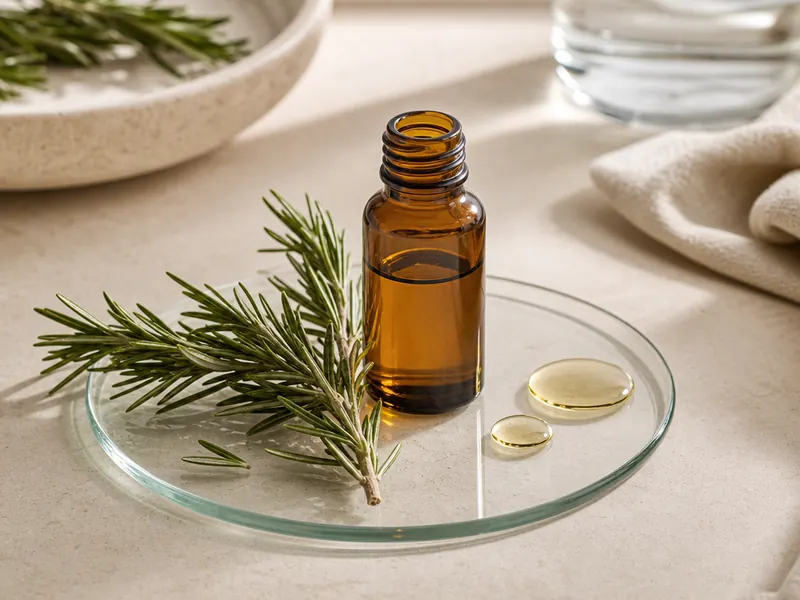
Myth: Rosemary Oil Is Proven to Regrow Hair
There is real human research, but it's small, narrow, and not the settled evidence the internet implies.
Not supported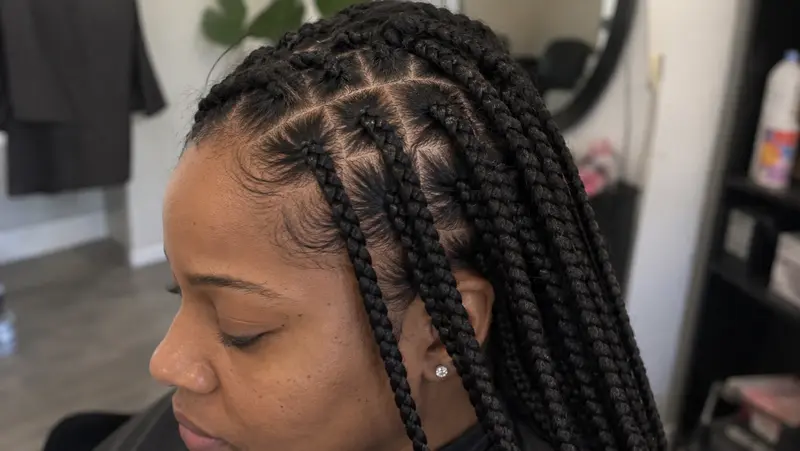
Myth: If Braids Hurt, They're Working
Pain is a warning signal, not evidence of a good install.
Not supportedWant personalized guidance?
Hair Science teaches the principles. Hairavie applies them to your hair.
Evidence-aware
Based on credible research and professional knowledge.
Credible sources
See the evidence behind important claims.
Always transparent
We show what's known, what's uncertain and where to learn more.
How Hairavie handles evidence
Your pattern isn't your whole hair profile
Pattern, porosity, strand thickness, density, scalp behaviour, chemical history and climate are separate readings — and Hairavie is explicit about which actually influence a Hair Match.
Ingredients aren't good or bad in isolation
A silicone can mean slip, shine and less friction. Whether it suits you depends on the formula and your routine. Hairavie analyses formulas, never fear lists.
Missing data lowers confidence, never invents certainty
Ingredient lists don't reveal concentrations. When formula data is incomplete, Hairavie says so instead of pretending to be sure.
Hairavie provides cosmetic hair-care education only. It does not diagnose or treat medical or scalp conditions. If symptoms persist or you're concerned about hair loss or scalp health, consult a qualified healthcare professional.