Healthy Scalp Basics
Build a healthier environment for your hair to thrive.
Last reviewed by the Hairavie editorial team on September 1, 2026.
On this page
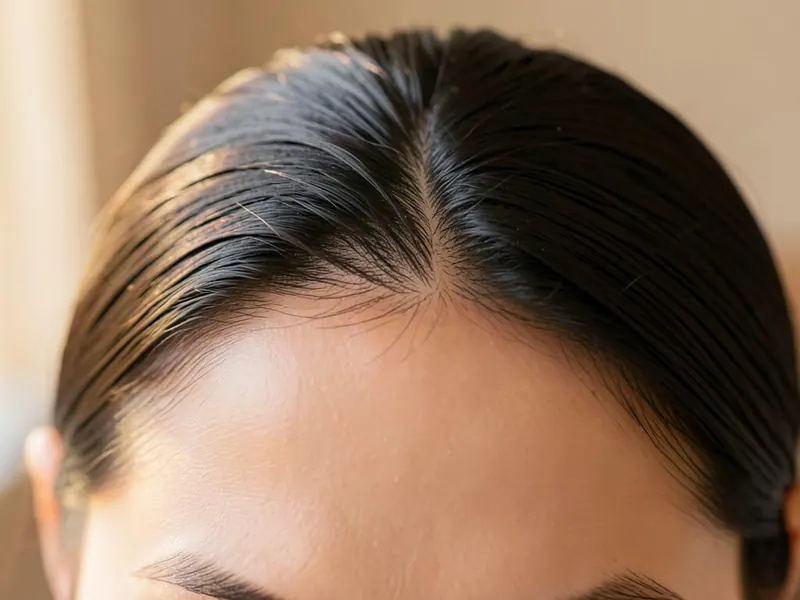
The scalp is skin with follicles in it
It has a barrier, oil glands, a microbial community and nerve endings, and it responds to cleansing, friction, occlusion and irritation like skin elsewhere.
Unglamorous fundamentals
- Cleanse the scalp itself at a frequency that keeps it comfortable.
- Use fingertips rather than nails.
- Rinse thoroughly — residue tends to accumulate at the roots.
- Give tight styles and heavy occlusive layering some rest.
- Notice patterns: what preceded a flare-up is usually more informative than what you applied after it.
When to involve a professional
Persistent itch, pain, burning, sores, bleeding, spreading scale, hair loss with scalp symptoms, or anything that isn't improving are reasons to see a qualified healthcare professional.
Hairavie can describe what a symptom might feel like. It cannot and will not tell you which condition you have.
How Hairavie knows this
Hairavie cites peer-reviewed research, scientific reviews, reference textbooks, dermatology organisations and government health resources. Beauty blogs are never used as scientific authority.
- Dermatology organisationHair care and hair loss guidance for the public. American Academy of Dermatology. View source
- Scientific reviewBorda, L. J. & Wikramanayake, T. C. (2015). Seborrheic dermatitis and dandruff: a comprehensive review. Journal of Clinical and Investigative Dermatology
Keep reading
Dry Scalp vs Dandruff
General education on how these are usually described — not a way to identify what you have.
5 min readHow Often Should You Wash Your Hair?
Wash frequency follows scalp behaviour, product use and lifestyle — a set of variables, not a rule.
5 min readScalp Oils: Helpful or Overhyped?
Scalp oiling is a long-standing practice with real comfort benefits and limited evidence for growth claims.
5 min readHairavie provides cosmetic hair-care education only. It does not diagnose or treat medical or scalp conditions. If symptoms persist or you're concerned about hair loss or scalp health, consult a qualified healthcare professional.